
Locations
We can help you find
the perfect location.
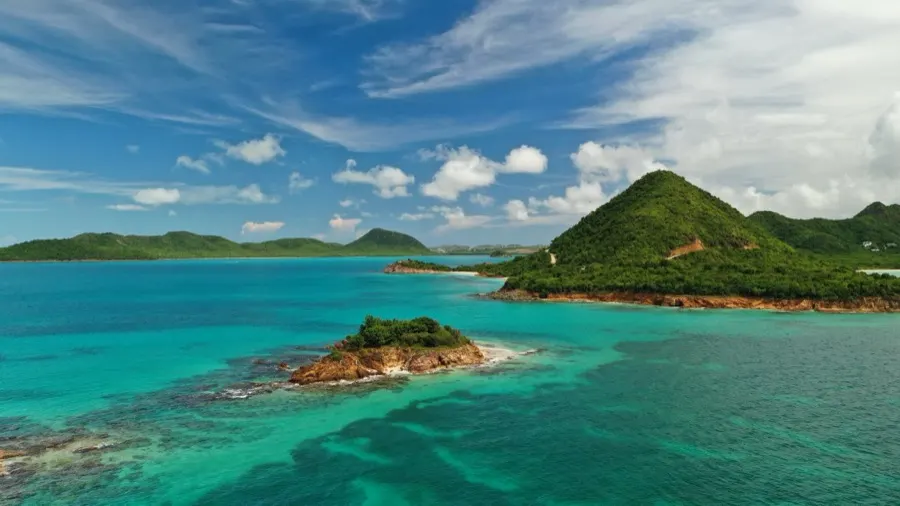
The Caribbean — stretching from The Bahamas through the Greater and Lesser Antilles — is far more varied than most people expect.
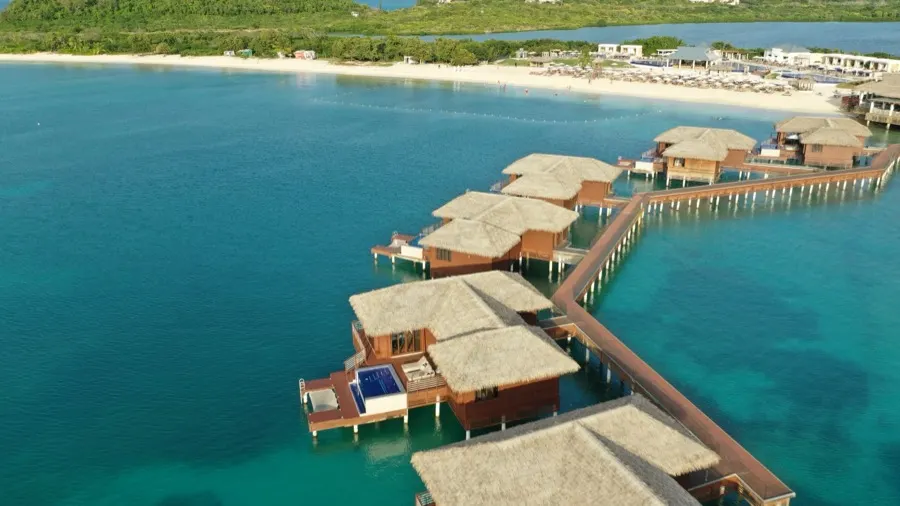
Our experience is rooted in the southern Caribbean, where volcanic peaks, coral coastlines and combinations of both make for seriously stunning scenery. And it’s not just the landscapes: neighbouring islands like Anguilla, Antigua, and Trinidad and Tobago each have their own distinct character, culture, architecture, cuisine and art.
Tell us what you’re looking for and we’ll find the perfect fit. We’ve spent years building solid professional contacts across the islands for crews and supplies — and a library of location images we’re happy to share.
We care about the places we shoot in, so all our productions are environmentally considerate. We’ll guide you through local rules and regulations and work alongside your protocols every step of the way.

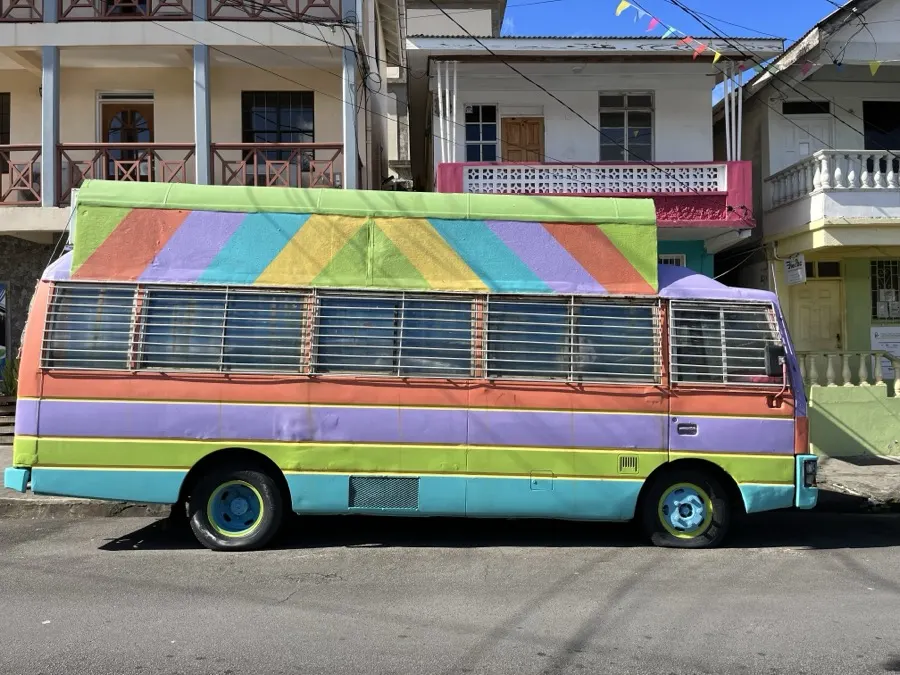
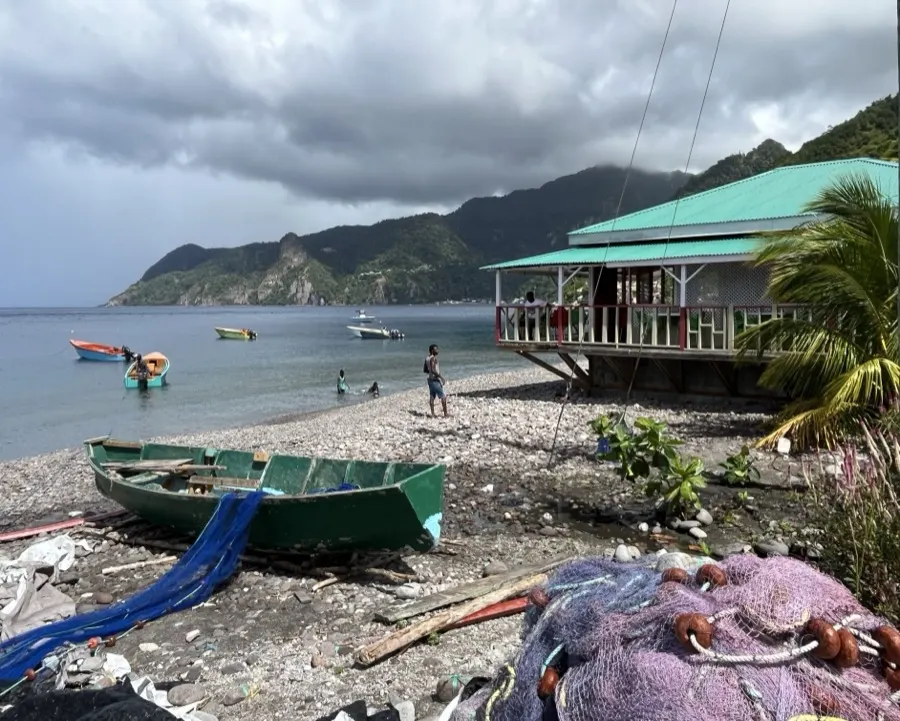
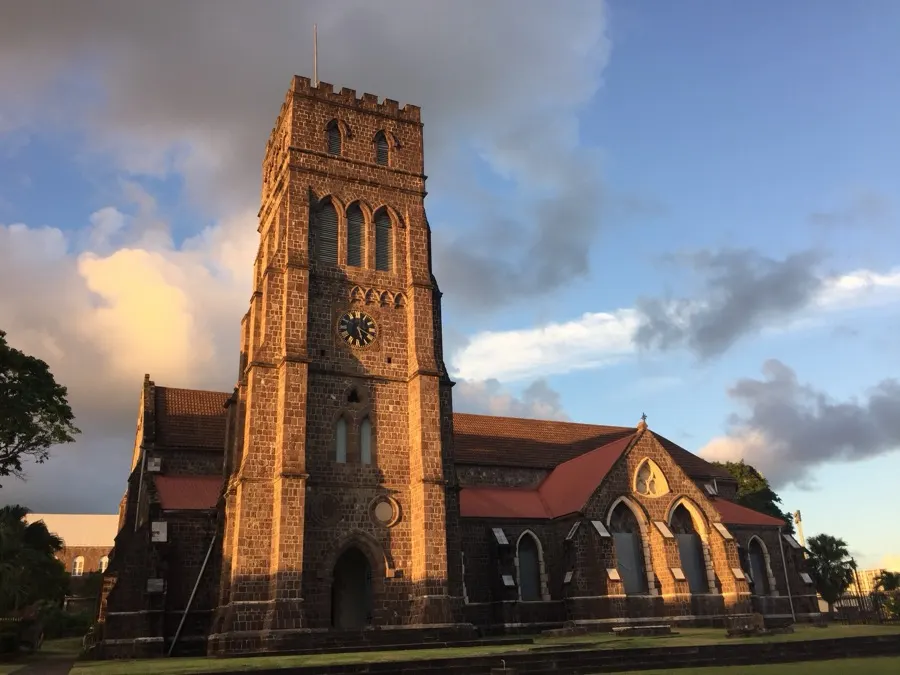
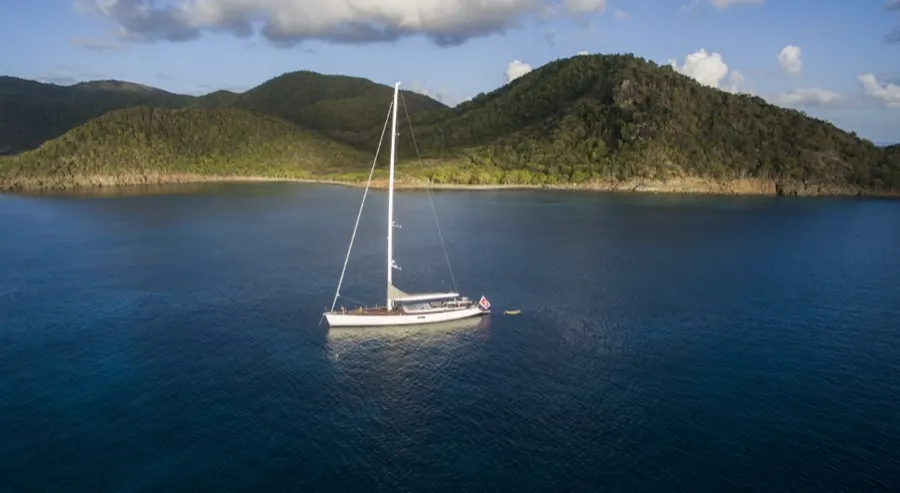
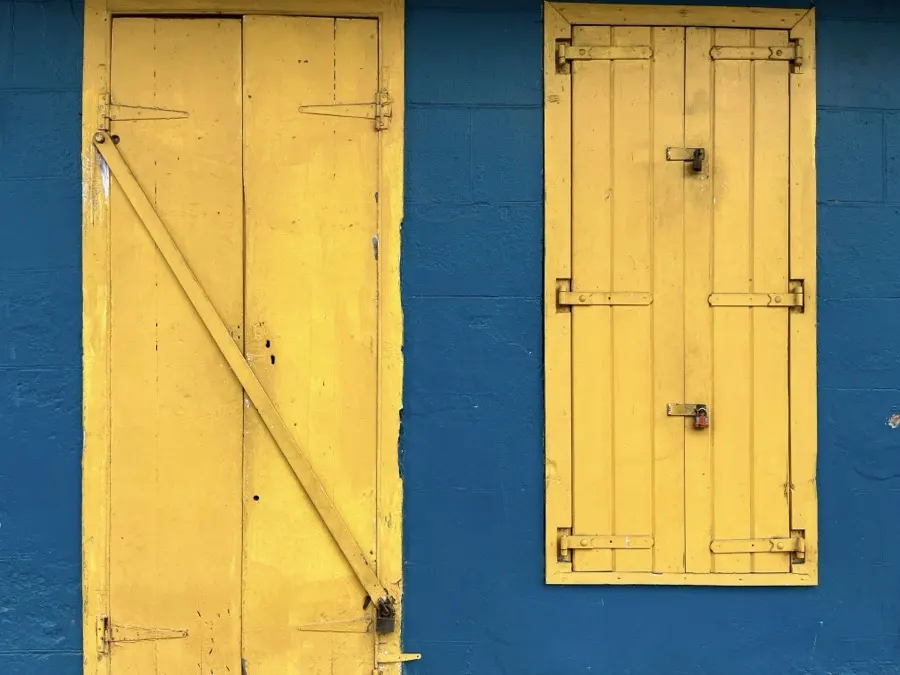
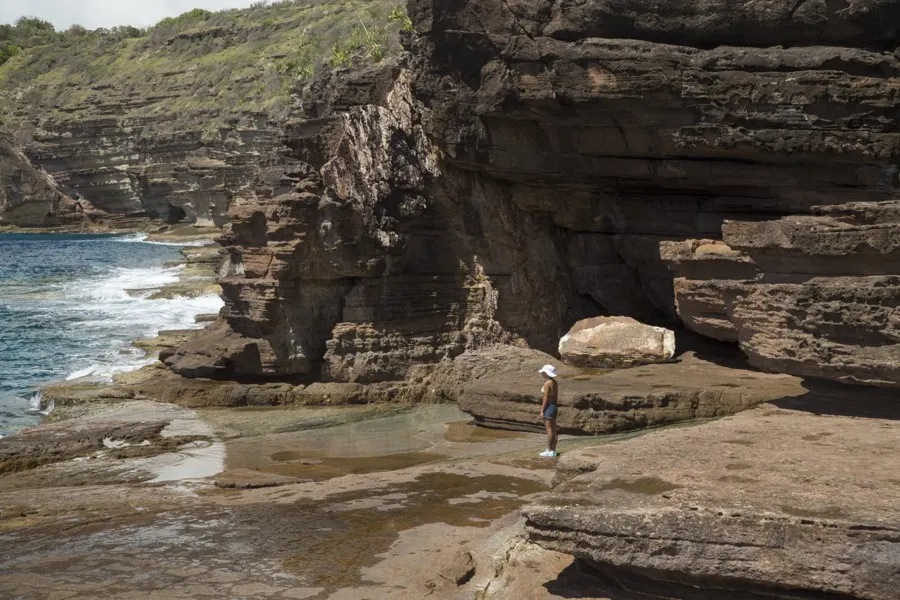
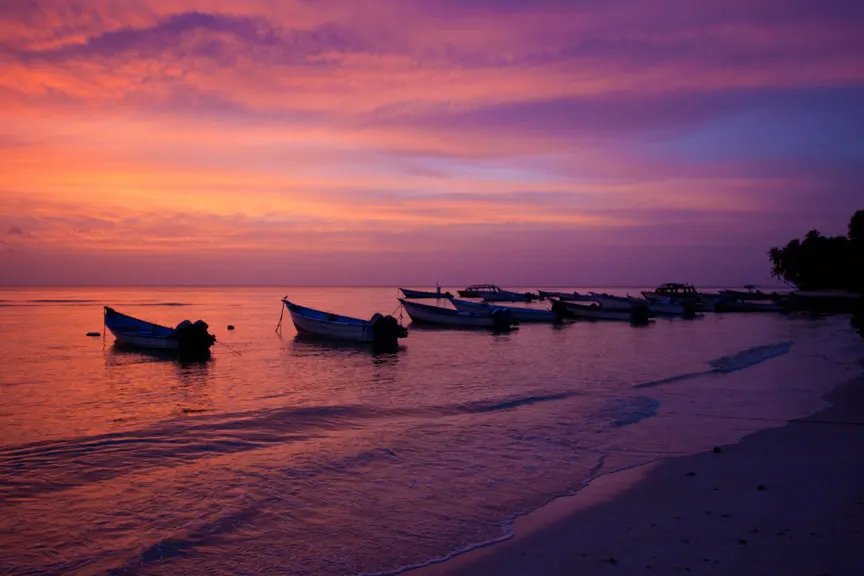
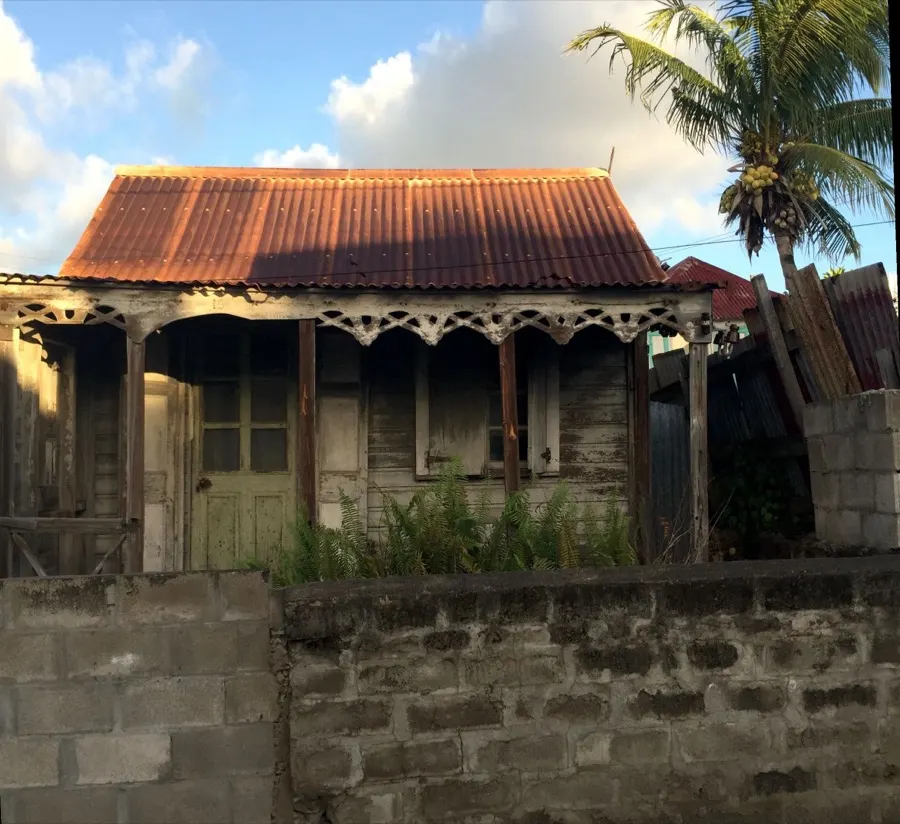
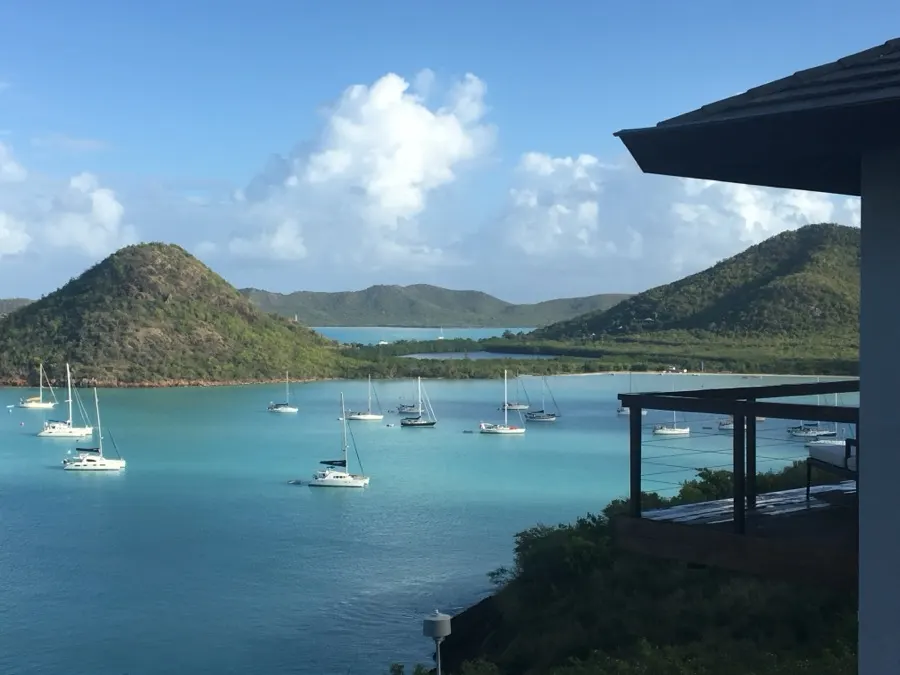
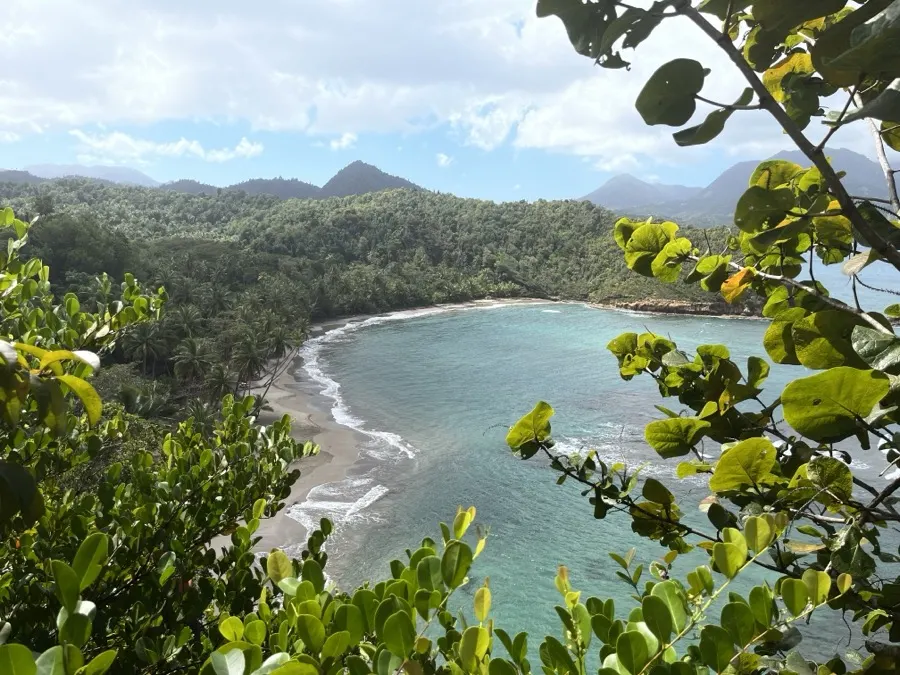

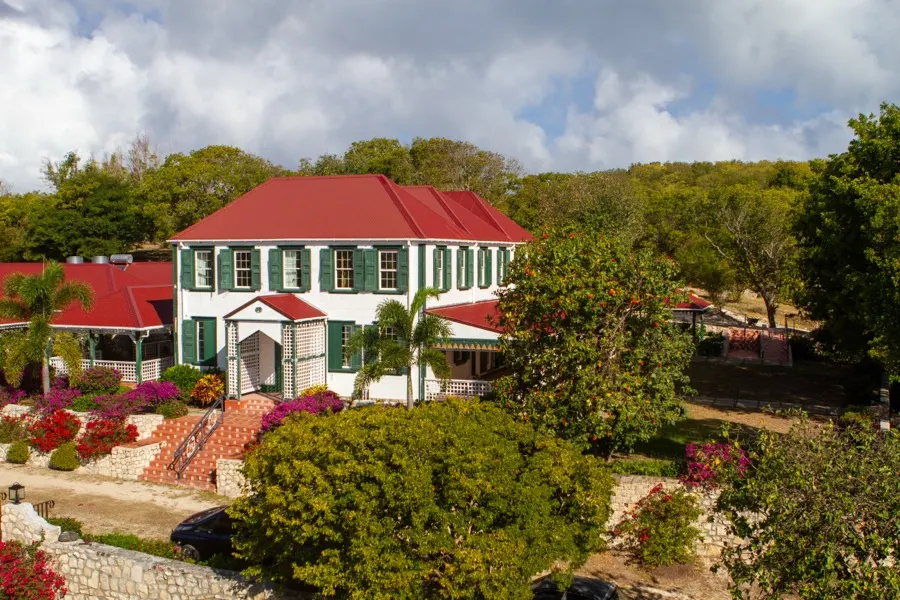
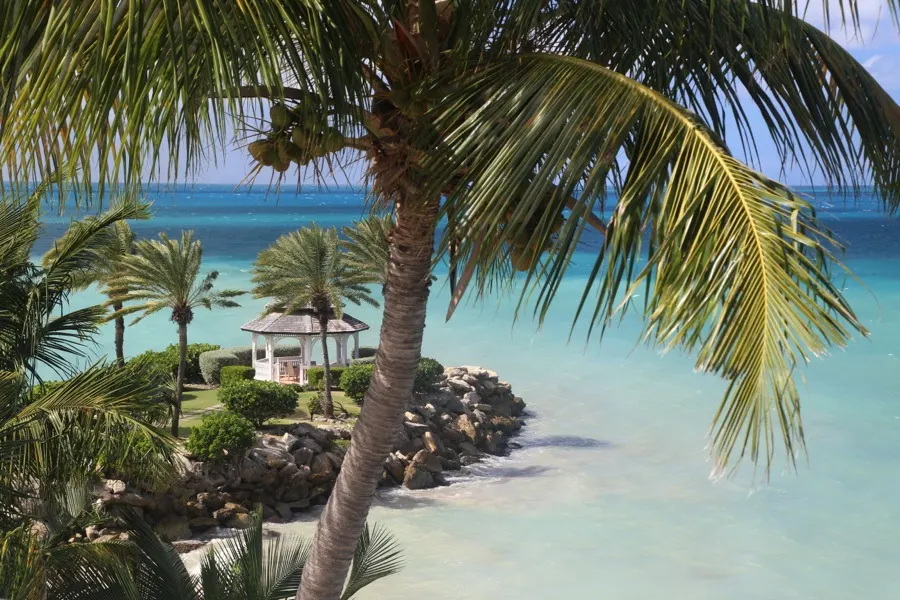
A few things worth knowing
Sand
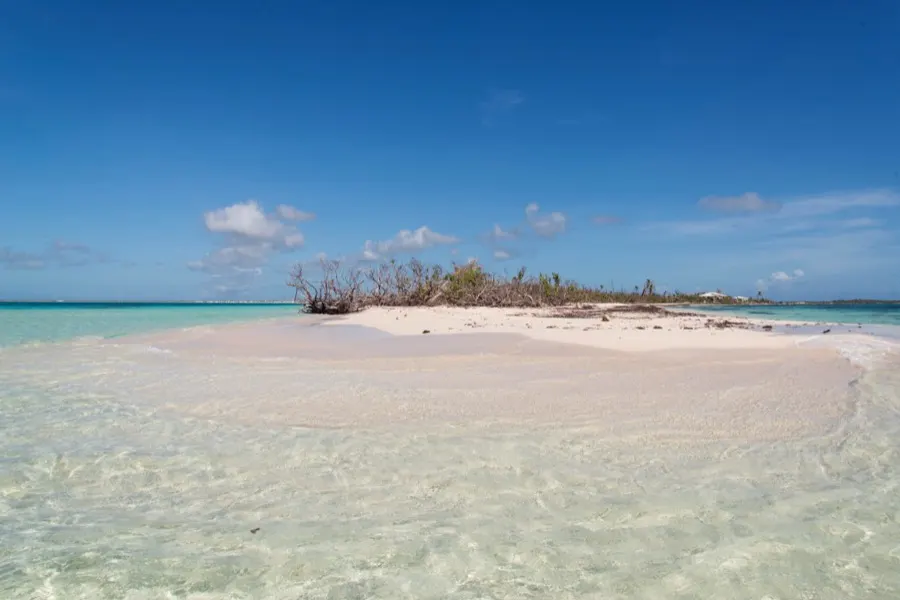
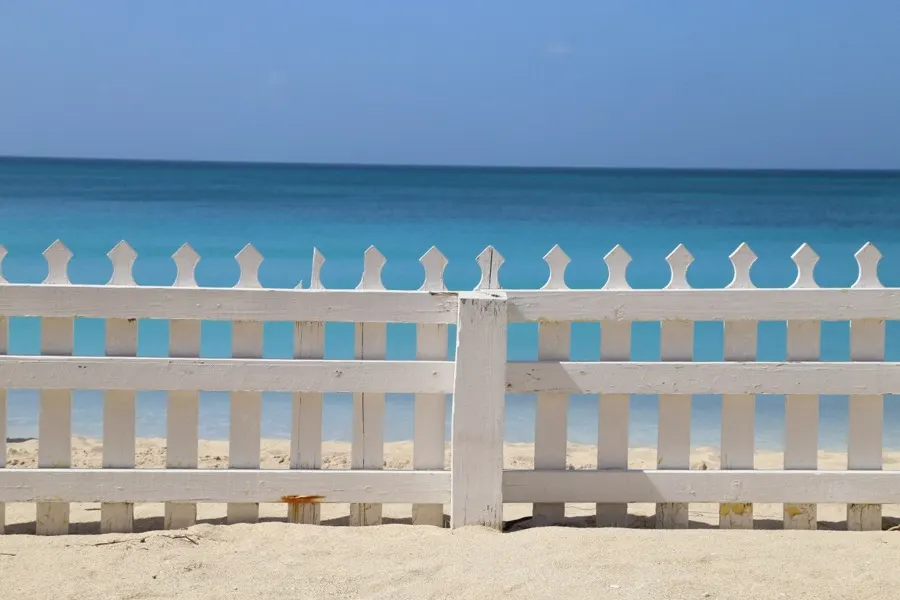
Geology decides the colour of the beaches. Coral islands like Barbuda and Anguilla have white sand; volcanic islands like Dominica and St. Vincent have dark or black sand.
West coasts
The west coast of each island is the calm Caribbean side, where the water laps gently at the beach.
East coasts
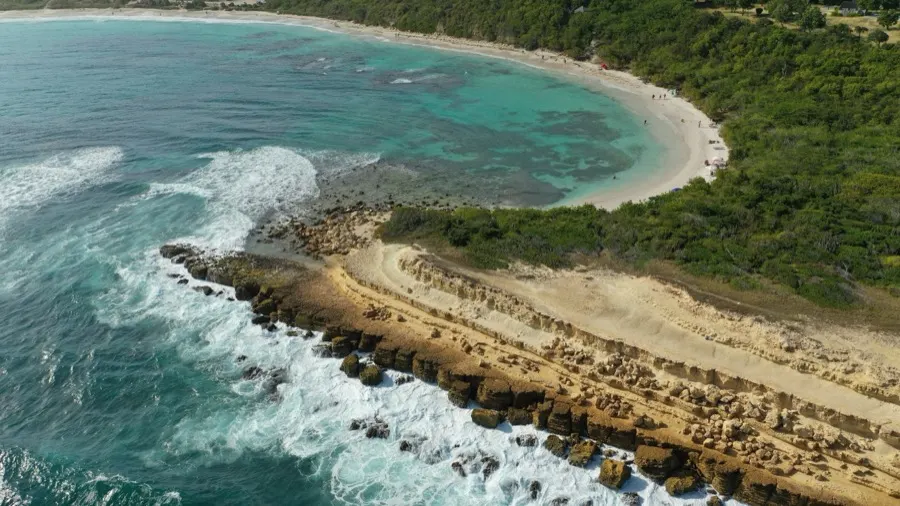
The prevailing wind is from the east. The Atlantic side is darker and deeper, with waves crashing on rocky coastlines — and a few hidden coves any aspiring pirate would have given his eye teeth for.
Skies
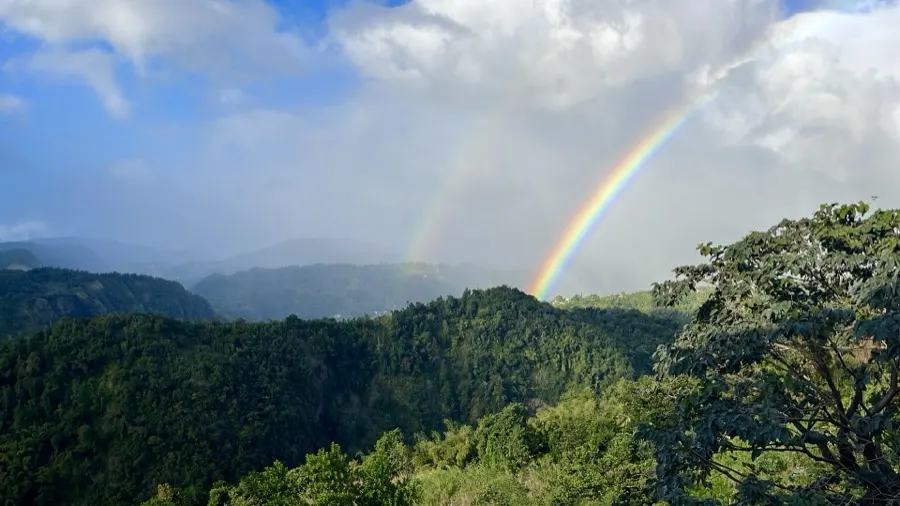
The climate is tropical, with beautiful clouds that make those famous dramatic sunsets — the kind that go hand in hand with planter’s punch.
Green
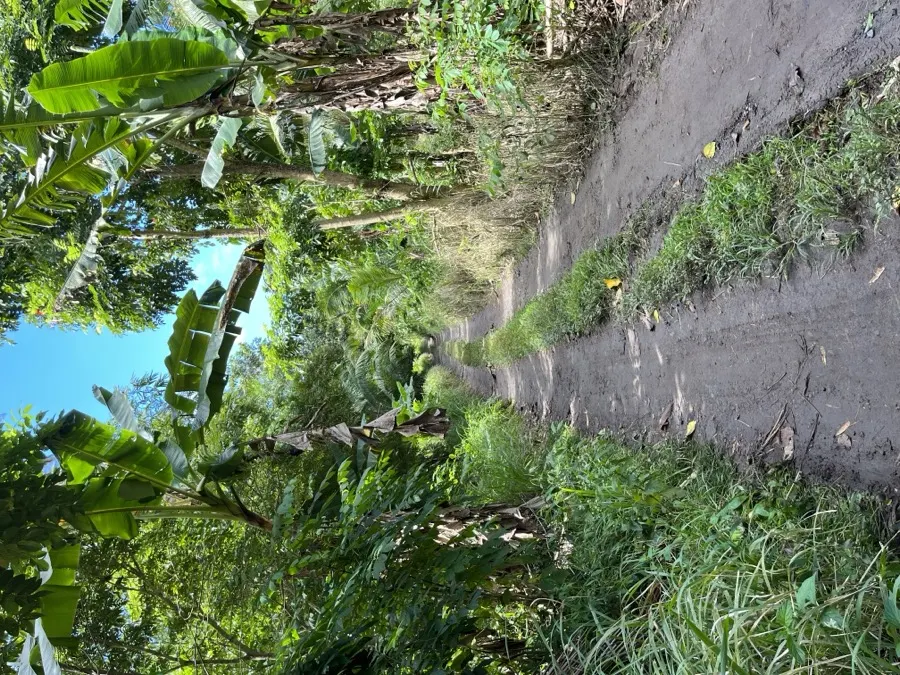
Altitude and latitude shape rainfall and vegetation. Flat islands aren’t known for jungle; high, lush islands like Dominica, with its waterfalls, are tailor-made for Tarzan.
The islands
Offices in Antigua & Barbuda and Trinidad & Tobago, with trusted crews and contacts throughout.
Anguilla Leeward Islands
A flat coral island whose main town is called The Valley — that’s irony for you. Dusty, desert-like and charming, with wonderful white-sand beaches that make the sea colour truly fantastic.
A select few of the rich and famous have built some amazing modern hotels and private villas here. We shot Davidoff “Cool Water” in Anguilla, and for some reason came back from the shoot looking years younger.
- Language
- English
- Power
- 110V / 220V
Antigua & Barbuda Leeward Islands Office
Antigua is where Caribbean Crews has its head office — and for good reason. The most wonderful beaches with mind-boggling water colours, rolling hills (not too strenuous to climb) and landscapes ranging from rainforest to salt flats. The yachting centre is a restored Georgian dockyard built in 1750 for the British Navy; in winter it seems Cannes has moved west.
Barbuda is blissful. One village, Codrington, sits on the inside of a lagoon whose outer edge is a long, white (with a hint of pink) sand beach — no one to disturb your peace. We shot the BBC’s “Bare Necessities” among the wild, craggy Atlantic outcrops, cliffs and caves. The village is like a cowboy town: rough bars and nice people. Codrington is the only place we know where the rubbish bins are rummaged nightly by racehorses. Just love it.
- Language
- English
- Power
- 110V / 220V
Aruba Dutch Caribbean
Flat, desert-like and reddish in colour, with stone formations and caves containing ancient Arawak drawings. The semi-arid interior is known for its Divi-Divi trees, twisted into windswept shapes by the trade winds. Beautiful pale beaches, though heavily developed — some of the Caribbean’s largest resorts are here. A popular diving spot.
- Language
- Dutch & Papiamento (English and Spanish widely spoken)
- Power
- 110V
Barbados Windward Islands
A relatively flat, 166-square-mile limestone island once covered in sugar cane. The west coast has beautiful (and expensive) hotels and private homes on pale-sand beaches; the south coast is the lively one, with restaurants and nightlife. The north-east and east coasts are rugged and unspoiled, with Atlantic surf. Plenty of 18th- and 19th-century churches, plantation houses and colleges.
- Language
- English
- Power
- 110V
Bonaire Dutch Caribbean
Relatively flat, with semi-desert vegetation and bone-white salt pans. A protected marine park surrounds the entire island, with underwater visibility of around 100 feet — so the coast is popular with divers. Historic stone slave huts stand on the desolate southern salt flats.
- Language
- Dutch & Papiamento (English widely spoken)
- Power
- 110V / 220V
British Virgin Islands Virgin Islands
Thirty-six small islands, only sixteen inhabited — Tortola, Virgin Gorda, Anegada, Jost Van Dyke and Peter Island chief among them. Rolling, dry hills, pale sands and excellent water colours; short sailing distances make it a yachting favourite. Anegada is so flat it barely clears sea level, while Virgin Gorda has extraordinary boulder formations with channels and caves.
- Language
- English
- Power
- 110V
Cuba Greater Antilles
The largest island in the Caribbean, with dramatic mountain ranges in the west and east and a flat interior of sugar cane and tobacco fields. White-sand beaches on the north coast, wetlands and mangroves to the south. The architecture of Old Havana is beautiful and unique, and the town of Trinidad is a step into the past with its cobbled streets and quiet squares.
- Language
- Spanish
- Power
- 110V
Curaçao Dutch Caribbean
A coral island with hills to the north-west. The north coast is wild and rough; the south-west coast is calm, with cliff-lined bays. Delightful Dutch architecture along the Willemstad waterfront.
- Language
- Dutch & Papiamento (English and Spanish widely spoken)
- Power
- 127V
Dominica Windward Islands
A young volcanic island with peaks over 4,000 feet, precipitous slopes and deep valleys. Heavy rainfall feeds hundreds of rivers and waterfalls, a vast rainforest and one of the world’s largest boiling lakes. Largely unspoiled, with dark volcanic-sand beaches, excellent diving and prime whale watching. Tailor-made for Tarzan.
- Language
- English
- Power
- 220V
Dominican Republic Greater Antilles
The larger half of Hispaniola, with hugely diverse geography — from arid semi-desert plains to deep green valleys and dense rainforest. A third of the coastline is beach, and many golden stretches remain unspoiled. Three mountain ranges cross the interior, including Pico Duarte, the highest peak in the Caribbean. Rivers, rapids, waterfalls and mangrove swamps — with a crocodile or two — complete the picture.
- Language
- Spanish
- Power
- 110V
Grenada Windward Islands
Rolling hills, mountains and fragrant spice trees, with waterfalls, rivers, rainforest and a mountain lake inland. St. George’s is one of the most beautiful towns in the Caribbean: horseshoe-shaped around its harbour, its red-roofed, sun-faded buildings linked by narrow, winding streets that burst with activity.
Carriacou and Petite Martinique, just to the north, are sparsely populated with fine beaches and beautiful water — dotted with brightly painted wooden schooners built by local boat-builders.
- Language
- English
- Power
- 220V
The Grenadines Windward Islands
An amazing chain of tiny islands and cays stretching between St. Vincent and Grenada — Bequia, Mustique, Canouan, the Tobago Cays, Palm Island, Petit St. Vincent and Union among them. Much of it is uninhabited. Powdery white beaches and water in every conceivable hue of blue.
- Language
- English
- Power
- 220V
Guadeloupe Leeward Islands
Butterfly-shaped: really two islands joined by a bridge over the Rivière Salée. Basse-Terre to the west has dense rainforest, waterfalls, rivers, small villages and secluded 18th-century sugar estates. Grande-Terre to the east is cane fields, towns and hotels. French Caribbean architecture and good markets.
- Language
- French & Creole
- Power
- 220V
Guyana Southern Caribbean
On the north-east coast of South America and roughly the size of Great Britain, yet most people live along the coast. The interior is largely undeveloped forest, rivers and waterfalls — Kaieteur Falls is about five times the height of Niagara — plus empty savannahs, mountains, Amerindian villages, and wildlife of both the slithery and sharp-toothed variety. Georgetown is a bustling city of wide avenues, canals and original wooden buildings.
- Language
- English
- Power
- 110V / 220V
Martinique Windward Islands
The southernmost of the French Caribbean islands, with a wide variety of locations: valleys, rivers, bamboo groves, stately lawns, peaks, a dormant volcano — and both white and black beaches for good measure.
- Language
- French & Creole
- Power
- 220V
Montserrat Leeward Islands
Green and mountainous, rising in dramatic slopes to the Soufrière Hills volcano in the south. Since it began erupting in 1995, the volcano has claimed much of the island; the former capital, Plymouth, lies buried in ash within an exclusion zone, in places only its rooftops showing. Beautiful nature trails, one white-sand beach, and plenty of black, undeveloped ones.
- Language
- English
- Power
- 230V
Puerto Rico Greater Antilles
A US commonwealth with a mountainous interior of lakes, rivers and waterfalls. El Yunque rainforest is lush, with plants of incredible proportions and variety. Spectacular limestone cliffs, sinkholes and caves in the north, and the squares and narrow streets of Old San Juan have a distinctly Hispanic flavour.
- Language
- Spanish & English
- Power
- 110V
St. Barts Leeward Islands
A small French island and playground for the rich and famous. Exclusive villas, but also sweet wooden houses with gingerbread trim and red roofs. Sun-baked hills and good beaches; Gustavia is a chic yachting harbour of cafés, bistros and designer shops.
- Language
- French
- Power
- 220V
St. Kitts & Nevis Leeward Islands
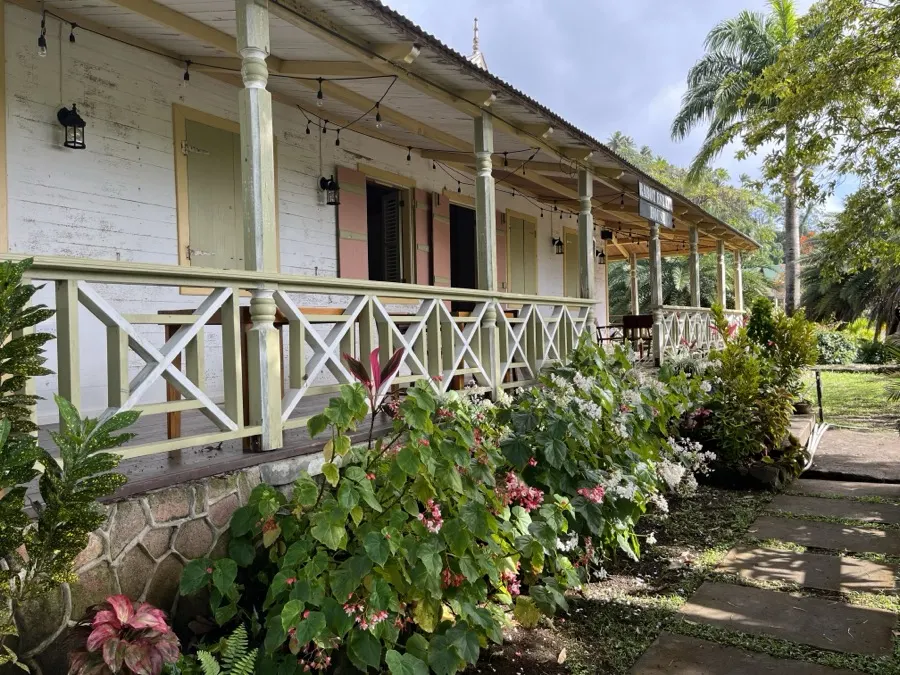
Probably the way the English Caribbean looked at the turn of the 20th century: pretty, tranquil islands of cane fields, sugar mills and old houses adorned with elaborate gingerbread. St. Kitts has the most varied terrain and some beautifully restored plantation houses; sand ranges from pale to mink-brown to black.
Nevis has a cloud-ringed volcanic peak, cool green hills and some very nice white beaches. Charlestown is small, busy and charming, with sun-faded original wooden buildings.
- Language
- English
- Power
- 230V
St. Lucia Windward Islands
A volcanic island famous for the Pitons, its twin peaks in the south-west. The interior is mountains, rainforest and green valleys — plus a drive-in volcanic crater. The north is drier, flatter and more developed, with hotels and a busy yachting centre.
- Language
- English & French Creole
- Power
- 220V
St. Martin, Sint Maarten & Saba Leeward Islands
The smallest land mass in the world shared by two nations. The French side has long, pale beaches dotted with cafés and bistros and a colourful open-air market; the Dutch side has a thriving commercial district, large hotels and casinos. Duty-free throughout.
Saba is a small volcanic island with wonderful wall diving — and a town with the irresistible name of Bottom. St. Eustatius (Statia) is small, hilly and fairly arid.
- Language
- English, French & Dutch
- Power
- French side 220V · Dutch side 110V
St. Vincent Windward Islands
Lush, volcanic and the largest of the 32 islands and cays that make up St. Vincent and the Grenadines. Its dark rocks and moody coastline were made famous by the first Pirates of the Caribbean film. Kingstown is a real working town, not “tidied” by tourism, where markets spill through the streets.
Shooting Anthony Bourdain’s “No Reservations” here, we met wonderful people and became experts in the local cuisine. Opossum was not a favourite, though it was helped by the local Strong Rum — eyes watering, nose running. Believe the label: locals set fire to it to check it hasn’t been watered down.
- Language
- English
- Power
- 220V
Trinidad & Tobago Southern Caribbean Office
Trinidad is half forested and mostly flat, with a range of low mountains in the north. Fantastic dark-sand, palm-lined beaches — often hard to reach, hence pristine. A truly cosmopolitan blend of Indian, Chinese, African and European heritage shows in the architecture and faces of the island.
Tobago is much smaller and far quieter: stunning golden beaches thick with coconut palms, clear emerald water, a lush forest reserve with waterfalls and bamboo groves, and fishing villages like Castara and Charlotteville, where white boats with poles out each side look like gulls preparing for flight.
- Language
- English
- Power
- 110V / 220V
US Virgin Islands Virgin Islands
Around fifty small islands and cays — once a Danish colony, hence names like Charlotte Amalie. St. Thomas, St. Croix and St. John are the principal islands, all fairly developed. White beaches framed by lovely water colours, and St. Thomas is one of the busiest cruise ports in the Caribbean.
- Language
- English
- Power
- 110V